荣耀六十年连载至:已完结
- 主演:Anna NeagleAnton WalbrookC. Aubrey SmithWalter Rilla
- 类型:剧情
- 导演:Herbert Wilcox
- 地区:英国
- 年份:1938
- 语言:英语
- 更新:2026-05-04 04:42:20
介绍:Sixty Glorious Years is an exercise in the creation of iconography, both for Victoria and its star, Anna Neagle (who subsequently became known as 'Regal Neagle'). Just as Elizabeth I commissioned artists to create flattering iconic images for public consumption, so this film performs a similar function, for Neagle is more beautiful than the real life Victoria. Controversial events (such as the 'Irish problem') are omitted and unpleasant aspects of Victoria's character (her petulance, arrogance, favouritism and 'right to privilege') are glossed over as endearing little 'whims'. Albert acts as a moderating influence when she goes too far. The film followed a year after the highly successful Victoria the Great (d. Herbert Wilcox, 1937). Again the screenplay is by Miles Malleson and Robert Vansittart, and many of the supporting cast (the cream of acting talent of period) repeat their roles, this time for the colour cameras. This was the first full length Technicolor film of cinematographer Freddie Young, who captures the spectacle of royal weddings, grand balls and opulent interiors, with scenes actually filmed at royal palaces. Vivid battle scenes, set in Alexander Korda's empire territory (Sevastopol and the Sudan), rival those in The Four Feathers (d. Zoltan Korda 1939). The title music sets the tone a regal choir sings over a shot of the crown. Elgar's 1901 'Pomp and Circumstance' march is heard during the diamond jubilee celebrations and, as Victoria's coffin lies in state, the film concludes with Anthony Collins' stately music accompanied by the text of Rudyard Kipling's 'Lest we forget'. Combined with the emotional appeal of scenes of Victoria connecting with her 'ordinary folk', this is stirring stuff. The film connects with contemporary events of 1938. The release of two celebratory royal films was intended to boost public affection for the monarchy in the wake of Edward VIII's abdication. Anglo-German relations were another touchy subject. With another war on the horizon, influential voices wanted appeasement, and the film could be seen to fit that agenda. Victoria herself was of mainly German descent, nicknamed 'the grandmother of Europe', while Albert is a 'good German', charmingly played by Anton Walbrook as a cultured, decent man. Sixty Glorious Years now seems unduly formal and reverential. Had movies existed during Victoria's reign (they only emerged at the end) this might have been the kind of film produced. Unlike Mrs Brown (d. John Madden, 1997), it is all so very 'Victorian'. Roger Philip Mellor
Sixty Glorious Years is an exercise in the creation of iconography, both for Victoria and its star, Anna Neagle (who subsequently became known as 'Regal Neagle'). Just as Elizabeth I commissioned artists to create flattering iconic images for public consumption, so this film performs a similar function, for Neagle is more beautiful than the real life Victoria. Controversial events (such as the 'Irish problem') are omitted and unpleasant aspects of Victoria's character (her petulance, arrogance, favouritism and 'right to privilege') are glossed over as endearing little 'whims'. Albert acts as a moderating influence when she goes too far. The film followed a year after the highly successful Victoria the Great (d. Herbert Wilcox, 1937). Again the screenplay is by Miles Malleson and Robert Vansittart, and many of the supporting cast (the cream of acting talent of period) repeat their roles, this time for the colour cameras. This was the first full length Technicolor film of cinematographer Freddie Young, who captures the spectacle of royal weddings, grand balls and opulent interiors, with scenes actually filmed at royal palaces. Vivid battle scenes, set in Alexander Korda's empire territory (Sevastopol and the Sudan), rival those in The Four Feathers (d. Zoltan Korda 1939). The title music sets the tone a regal choir sings over a shot of the crown. Elgar's 1901 'Pomp and Circumstance' march is heard during the diamond jubilee celebrations and, as Victoria's coffin lies in state, the film concludes with Anthony Collins' stately music accompanied by the text of Rudyard Kipling's 'Lest we forget'. Combined with the emotional appeal of scenes of Victoria connecting with her 'ordinary folk', this is stirring stuff. The film connects with contemporary events of 1938. The release of two celebratory royal films was intended to boost public affection for the monarchy in the wake of Edward VIII's abdication. Anglo-German relations were another touchy subject. With another war on the horizon, influential voices wanted appeasement, and the film could be seen to fit that agenda. Victoria herself was of mainly German descent, nicknamed 'the grandmother of Europe', while Albert is a 'good German', charmingly played by Anton Walbrook as a cultured, decent man. Sixty Glorious Years now seems unduly formal and reverential. Had movies existed during Victoria's reign (they only emerged at the end) this might have been the kind of film produced. Unlike Mrs Brown (d. John Madden, 1997), it is all so very 'Victorian'. Roger Philip Mellor
猜你喜欢
![无边之雾]()
无边之雾
普特里·马里诺,Iedil Dzuhrie Alaudin,Kiki Narendra,卢克曼·萨尔迪,Yusuf Mahardika
普特里·马里诺,Iedil Dzuhrie Alaudin,Kiki Narendra,卢克曼·萨尔迪,Yusuf Mahardika
2024/印度尼西亚
/
![跨跃彩虹]()
跨跃彩虹
李政宰,张真英,孔炯轸,裴秀暻,Bo-eun Choi,崔载元,郑灿,李海荣,Seong-Hoon Lee,Yeong-Ju Li,Yun-Hyeon Park,金瑞亨,申银贞,严志媛
李政宰,张真英,孔炯轸,裴秀暻,Bo-eun Choi,崔载元,郑灿,李海荣,Seong-Hoon Lee,Yeong-Ju Li,Yun-Hyeon Park,金瑞亨,申银贞,严志媛
2002/韩国
/韩语
![女儿红1995]()
女儿红1995
归亚蕾,顾美华,周迅,傅程鹏,雷汉
归亚蕾,顾美华,周迅,傅程鹏,雷汉
1995/中国香港
/汉语普通话
![天才诗童]()
天才诗童
玛吉·吉伦哈尔,盖尔·加西亚·贝纳尔,奥托·布兰克森-伍德,利比亚·普格,迈克尔·切鲁斯,安娜·巴瑞辛尼科夫,罗莎·萨拉查,黛西·塔汉,萨马拉·查卡拉蒂,阿杰·奈杜
玛吉·吉伦哈尔,盖尔·加西亚·贝纳尔,奥托·布兰克森-伍德,利比亚·普格,迈克尔·切鲁斯,安娜·巴瑞辛尼科夫,罗莎·萨拉查,黛西·塔汉,萨马拉·查卡拉蒂,阿杰·奈杜
2018/美国
/英语
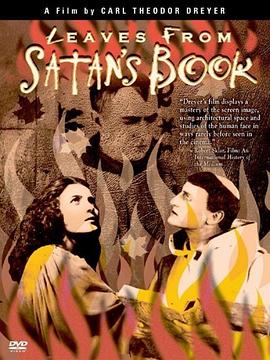
![撒旦日记]()
撒旦日记
Helge Nissen,Halvard Hoff,Jacob Texiere,哈兰德·黑勒曼,Ebon Strandin,约翰·梅尔,Nalle Halden,Tenna Kraft,Viggo Wiehe,Emma Wiehe,Jeanne Tramcourt,Hugo Bruun,埃利特·皮奥,Emil Helsengreen,维戈·林德斯特伦
Helge Nissen,Halvard Hoff,Jacob Texiere,哈兰德·黑勒曼,Ebon Strandin,约翰·梅尔,Nalle Halden,Tenna Kraft,Viggo Wiehe,Emma Wiehe,Jeanne Tramcourt,Hugo Bruun,埃利特·皮奥,Emil Helsengreen,维戈·林德斯特伦
1920/其它
/其它
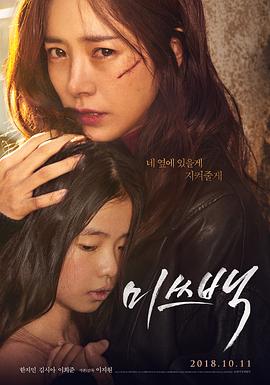
![白小姐]()
白小姐
韩智敏,金诗雅,李熙俊,权素贤,白秀章,金善映,全锡浩,李周英,赵敏俊,金俊范,郑京虎,金浩昌,刘贞莱,尹颂雅,琴东贤,李姃垠,张荣男
韩智敏,金诗雅,李熙俊,权素贤,白秀章,金善映,全锡浩,李周英,赵敏俊,金俊范,郑京虎,金浩昌,刘贞莱,尹颂雅,琴东贤,李姃垠,张荣男
2018/韩国
/韩语
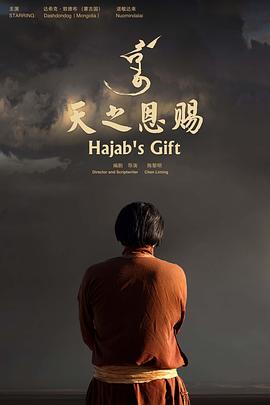
![天之恩赐]()
天之恩赐
达希卡·敦德布,诺敏达来
达希卡·敦德布,诺敏达来
2012/大陆
/国语
![唯一的受害者]()
唯一的受害者
魏笑,张珏,曾辉
魏笑,张珏,曾辉
2020/大陆
/国语
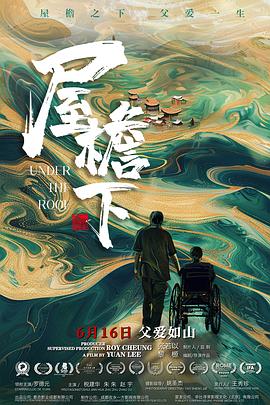
![屋檐下]()
屋檐下
罗德元,税建华,朱朱,赵宇
罗德元,税建华,朱朱,赵宇
2021/中国大陆
/汉语普通话
![魔王1931]()
魔王1931
Joë Hamman,Otto Gebühr,André Michaud
Joë Hamman,Otto Gebühr,André Michaud
1931/法国
/法语
![评论家(2023)]()
评论家(2023)
杰玛·阿特登,本·巴恩斯,莱丝利·曼维尔,马克·斯特朗,阿尔弗雷德·伊诺奇,伊恩·麦克莱恩,萝玛拉·嘉瑞,克莱尔·斯金纳,马修·科特尔,碧悠·加德斯顿,尼基什·帕特尔,丽贝卡·格辛斯,伊娃·马格亚,杰伊·辛普森,雅各布·詹姆斯·贝斯威克,尼古拉斯·毕绍普,阿尔比·马伯,格兰特·克鲁克斯,黛布拉·吉列特,乔·科恩,格里芬·史蒂文斯
杰玛·阿特登,本·巴恩斯,莱丝利·曼维尔,马克·斯特朗,阿尔弗雷德·伊诺奇,伊恩·麦克莱恩,萝玛拉·嘉瑞,克莱尔·斯金纳,马修·科特尔,碧悠·加德斯顿,尼基什·帕特尔,丽贝卡·格辛斯,伊娃·马格亚,杰伊·辛普森,雅各布·詹姆斯·贝斯威克,尼古拉斯·毕绍普,阿尔比·马伯,格兰特·克鲁克斯,黛布拉·吉列特,乔·科恩,格里芬·史蒂文斯
2023/英国
/英语
![莱昂诺狂想曲]()
莱昂诺狂想曲
Rocky,唐·梅尔文·邦加林
Rocky,唐·梅尔文·邦加林
2022/菲律宾
/菲律宾语
剧情介绍
Sixty Glorious Years is an exercise in the creation of iconography, both for Victoria and its star, Anna Neagle (who subsequently became known as 'Regal Neagle'). Just as Elizabeth I commissioned artists to create flattering iconic images for public consumption, so this film performs a similar function, for Neagle is more beautiful than the real life Victoria. Controversial events (such as the 'Irish problem') are omitted and unpleasant aspects of Victoria's character (her petulance, arrogance, favouritism and 'right to privilege') are glossed over as endearing little 'whims'. Albert acts as a moderating influence when she goes too far. The film followed a year after the highly successful Victoria the Great (d. Herbert Wilcox, 1937). Again the screenplay is by Miles Malleson and Robert Vansittart, and many of the supporting cast (the cream of acting talent of period) repeat their roles, this time for the colour cameras. This was the first full length Technicolor film of cinematographer Freddie Young, who captures the spectacle of royal weddings, grand balls and opulent interiors, with scenes actually filmed at royal palaces. Vivid battle scenes, set in Alexander Korda's empire territory (Sevastopol and the Sudan), rival those in The Four Feathers (d. Zoltan Korda 1939). The title music sets the tone a regal choir sings over a shot of the crown. Elgar's 1901 'Pomp and Circumstance' march is heard during the diamond jubilee celebrations and, as Victoria's coffin lies in state, the film concludes with Anthony Collins' stately music accompanied by the text of Rudyard Kipling's 'Lest we forget'. Combined with the emotional appeal of scenes of Victoria connecting with her 'ordinary folk', this is stirring stuff. The film connects with contemporary events of 1938. The release of two celebratory royal films was intended to boost public affection for the monarchy in the wake of Edward VIII's abdication. Anglo-German relations were another touchy subject. With another war on the horizon, influential voices wanted appeasement, and the film could be seen to fit that agenda. Victoria herself was of mainly German descent, nicknamed 'the grandmother of Europe', while Albert is a 'good German', charmingly played by Anton Walbrook as a cultured, decent man. Sixty Glorious Years now seems unduly formal and reverential. Had movies existed during Victoria's reign (they only emerged at the end) this might have been the kind of film produced. Unlike Mrs Brown (d. John Madden, 1997), it is all so very 'Victorian'. Roger Philip Mellor